

Two inch elbow. That is not a line yet.
Peaking fills in schedule, material, end type and rating on every line, and sends the quote back with what backs each choice. Here a wrong line is a line down.
The line that stalls is always the same line.
The PVF profile shows up in how many attributes it takes to make a line orderable.
A two inch elbow is not one part. It is schedule, material, end type and angle, and the customer gave you one of the four.
It ships, it gets to the job, it does not fit, and it comes back freight collect with a crew standing around.
The same counter handles a bid package with four hundred lines and a fitting somebody needs in the truck by noon.
They write in shorthand because it is obvious to them. Whoever reads that shorthand correctly gets the order.
The attributes that are missing are the whole job.
Somebody has to notice that schedule was never stated, that the end type was assumed, that the rating does not match the service the customer described. Noticing costs nothing. Noticing at eleven at night, on the fortieth line of a takeoff, is what nobody can sustain.
So the line gets quoted with the assumption, or it gets set aside until someone can call. Both are expensive. One comes back as a return, the other comes back as a lost order.

The line gets built before it gets priced.
What stops happening when nothing is assumed.
Schedule, material, end type and angle get confirmed in the same conversation, while the customer is still there to answer.
Because it never got quoted. The line is only built once it is complete.
Hundreds of lines come back priced against your own stock and that customer pricing, with the incomplete ones flagged rather than guessed.
When the exact item is not on the shelf, what goes out is something that still meets the service described, not the closest thing in the bin.
What happens when nothing is assumed.
The line that stalls today, built in the same conversation.
- 10:05 amArrivesIt comes in the way it always comes in: incomplete.
Need 40 pieces, 2 inch elbow
Customer · 10:05 am - 10:05 amAsksThe missing attributes are asked for on the spot.
Schedule, material, end type and angle?
Peaking · 10:05 am - 10:11 amAnswersThe line is built once it is complete.90 degree elbow2 inchSchedule 80Carbon steelButt weld
- 10:14 amQuotesIt goes out today, not when the customer answers tomorrow.Quote PVF list.pdfOn that customer price list
- 11:30 amCollectsThe order is written and paid.
SO-6108Paid online - ·What changesThe wrong schedule stops being a return, because it never got quoted.
The operation that looks the most like yours.
MEXBELT sells industrial belting, where a configuration has to be worked out before anything can be priced: width, length between centers, load, temperature and splice. Same structure as a fitting with four open attributes.
Over the measured window their own reps requested 87 belt calculations, written the way they write, and the median time from request to finished quote was about a minute. Enough to answer on the same call.
The product changes. What gets decided before the quote does not.
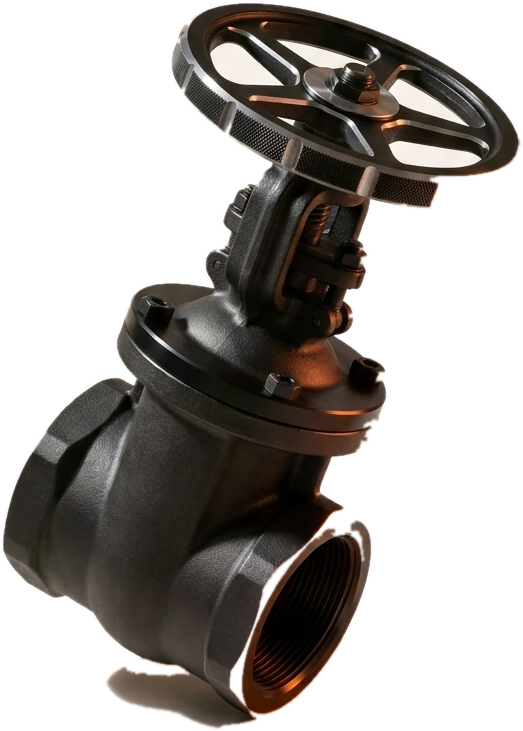
Ball valve
Body material, seat, rating and end connection. Four answers the customer did not give, and each one changes which valve this is.
Where it connects, attribute by attribute.
You've got this.
Peaking shows up to the session already working with your own catalog, so you see it on your part numbers instead of on an example.